7 Essential Traits Every Christian Parent Should Focus On
My posts may contain affiliate links. If you buy something through those affiliate links, you will not pay a penny more. But I will get a commission which keeps Learn and Pray lights on. I appreciate your understanding!
The Rainbow Bridge to Godly Character
We all want the same thing for our children: for them to be happy, kind, and successful. But for Christian parents, the goal is bigger than worldly success. We want to raise godly children—kids whose character is deeply rooted in biblical truth, enabling them to stand firm when the storms of life hit.
The challenge? Abstract concepts like "grace," "patience," and "purpose" can feel impossible to teach a young child. How do you move beyond simple rules and instill true, transformative character?
The secret lies in making these faith values tangible, memorable, and adventurous.
We've broken down seven essential biblical character traits that form the foundation of a godly child, drawing inspiration from a powerful children's story of a curious girl named Lerato and her journey across a magnificent, colorful bridge.
These seven "Life Treasures" aren't just polite manners; they are the core spiritual muscles your child needs for a purposeful life.
1. Red: The Foundation of Love

Love isn't just a Valentine’s Day feeling; it is the source of all Christian living. We teach our kids love because it’s the ultimate reflection of God Himself.
The Life Treasure: Modeling unconditional love, expressed through "gentle whispers of care and kindness."
The Problem: In a culture of constant "loud" attention, genuine kindness is often overlooked.
Tip: The Quiet Whisper Practice Encourage your child to practice Love through small, quiet acts. Instead of rewarding a dramatic gesture, praise the silent ones: leaving a kind note on their sibling’s pillow, offering a silent prayer for a friend in need, or sharing a favorite snack without being asked. This teaches them that love is a verb that doesn't need applause.
Biblical Anchor: "We love because he first loved us." – 1 John 4:19 (NIV)
2. Orange: The Gift of Forgiveness

Teaching forgiveness is crucial, but many parents forget the most important person our children need to forgive: themselves.
The Life Treasure: Forgiveness—the power of "letting go of the anger and choosing love instead."
The Problem: When children fail, they often internalize shame, believing the mistake defines them. This fear paralyzes character development.
Tip: The Second Chance Reset Frame mistakes as "information," not "failure." When your child messes up, say, "It’s okay. God gave us a second chance through grace, so we give ourselves a second chance, too." Use Colossians 3:13 to guide their external relationships, teaching them to bear with each other and forgive, just as the Lord forgave them. This builds self-grace and compassion for others.
Biblical Anchor: "Bear with each other and forgive one another if any of you has a grievance against someone. Forgive as the Lord forgave you." – Colossians 3:13 (NIV)
3. Yellow: Cultivating Resilient Joy

Happiness is circumstantial; joy is a spiritual strength.
The Life Treasure: Finding true, internal Joy, even when circumstances are challenging.
The Problem: Kids struggle when things don't go their way (a rainy day, a canceled plan). They need to learn that their internal state isn't dependent on external perfection.
Tip: The Strength of Gratitude When your child is disappointed, ask them to list three things that are still good right now. This teaches them to actively search for the light, echoing the truth that the sun will "come out, eventually." Teach them the verse that God’s joy is their ultimate strength, reminding them that they can smile, laugh, and dance even when it rains.
Biblical Anchor: "Do not grieve, for the joy of the Lord is your strength.” – Nehemiah 8:10 (NIV)
4. Green: The Journey of Growth
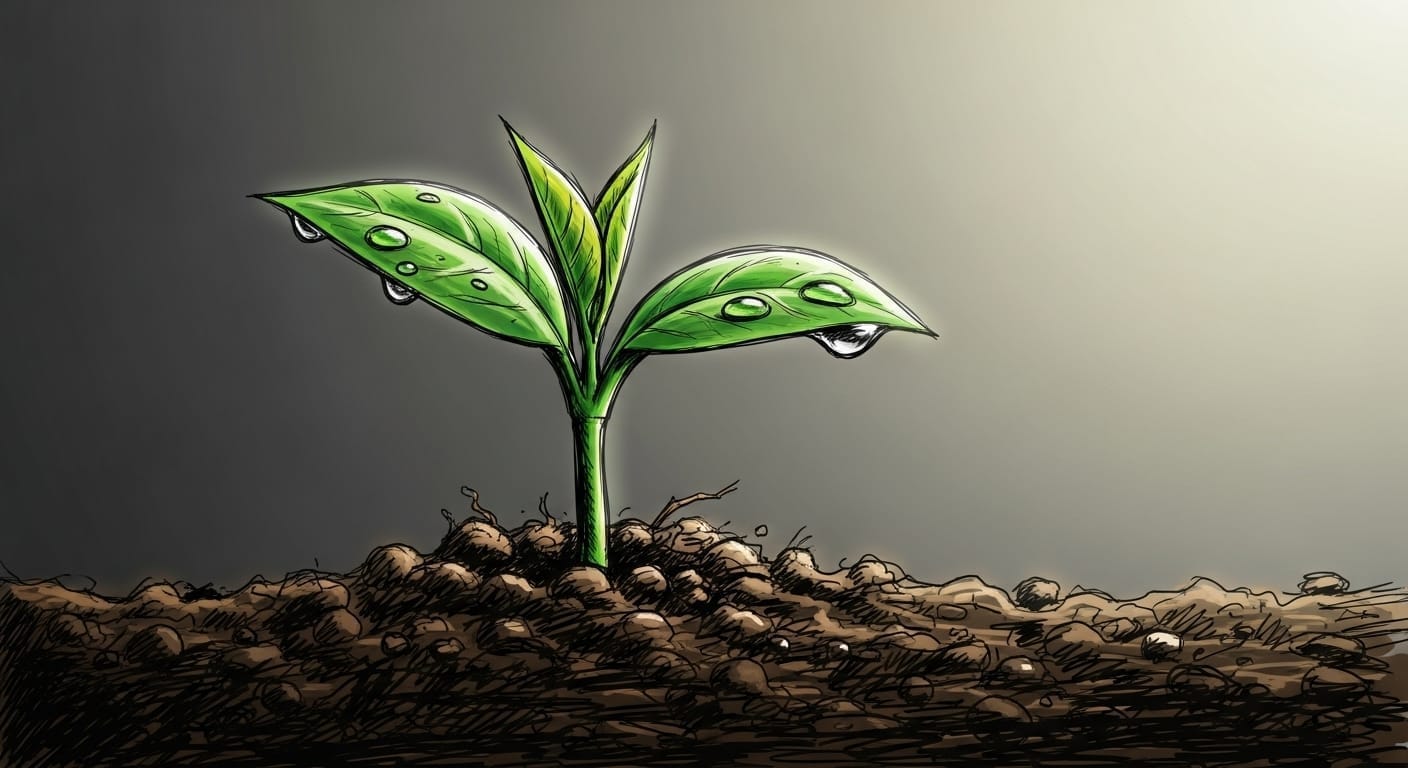
Green represents the continuous, transformative journey of spiritual growth.
The Life Treasure: Embracing "slow and consistent growth" through self-discovery and learning.
The Problem: In a competitive world, children often fear trying new things unless they are guaranteed instant success.
Tip: Celebrate the Effort, Not Just the Finish Focus on the process. Encourage them to explore their passions, try new things, and ask questions—even if they seem silly. Use the metaphor of a seedling or a butterfly, emphasizing that growth takes time and consistency. Their faith, too, is meant to be a growing relationship, not a stagnant one.
Biblical Anchor: "But grow in the grace and knowledge of our Lord and Savior Jesus Christ." – 2 Peter 3:18 (NIV)
5. Blue: The Calm of God’s Peace

In our fast-paced world, peace is the tranquility every Christian family craves.
The Life Treasure: Peace that is "calm deep blue sea"—accepting others and surrendering worries to God.
The Problem: Anxiety and conflict are increasing. Kids need tools to regulate their emotions and navigate disagreements.
Tip: Peace Over Problem-Solving Teach your child to be a peacemaker. This means learning to listen, accept, and respect different opinions, and most importantly, learning to "let go of the ones you cannot solve." When they worry, encourage them to pray, reminding them that the peace Jesus gives is different from the temporary calm the world offers.
Biblical Anchor: “Peace I leave with you; my peace I give you. I do not give to you as the world gives. Do not let your hearts be troubled and do not be afraid.” – John 14:27 (NIV)
6. Indigo: The Wisdom of Patience

Wisdom is more valuable than knowledge. It's about making thoughtful, faith-centered choices.
The Life Treasure: Gaining Wisdom through "thoughtful decisions" and Patience by trusting in God's timing.
The Problem: The instant-gratification world teaches impatience. Kids want answers, results, and rewards now.
Tip: The Pause for Perspective When a situation calls for a quick reaction, coach your child to pause and pray. Practice trusting God's timing—whether it’s waiting for a prayer to be answered or for a difficult season to pass. This habit of acknowledging God in every step is the path to receiving His wisdom.
Biblical Anchor: “Trust in the Lord with all your heart and lean not on your own understanding; in all your ways submit to him, and he will make your paths straight.” – Proverbs 3:5-6 (NIV)
7. Violet: Royalty, Humility, and Purpose

This final treasure connects all the others, giving your child a sense of destiny.
The Life Treasure: Understanding that they are Royalty—God’s chosen children—and living out that "noble purpose with humility and grace."
The Problem: The world defines purpose by achievement and fame. We need to teach our children that their inherent value comes from God, not their performance.
Tip: Affirm Their Spiritual Crown Remind your child that they are part of a "royal priesthood" (1 Peter 2:9). This royalty is a call to selfless service, not selfish pride. Help them identify their unique gifts (their "crowns") and how they can use those gifts to serve the community, instilling a confident sense of purpose that is grounded in humility.
Biblical Anchor: “But you are a chosen people, a royal priesthood, a holy nation, God’s special possession, that you may declare the praises of him who called you out of darkness into his wonderful light.” – 1 Peter 2:9 (NIV)
Ready to Start the Adventure?
Teaching these 7 life treasures doesn't have to be preachy or robotic. In fact, it should be the most beautiful adventure you embark on as a family.
When you see a rainbow, remember that it is a sign of God’s promises and a reminder of these character traits. Start the journey of faith and wonder with your child.
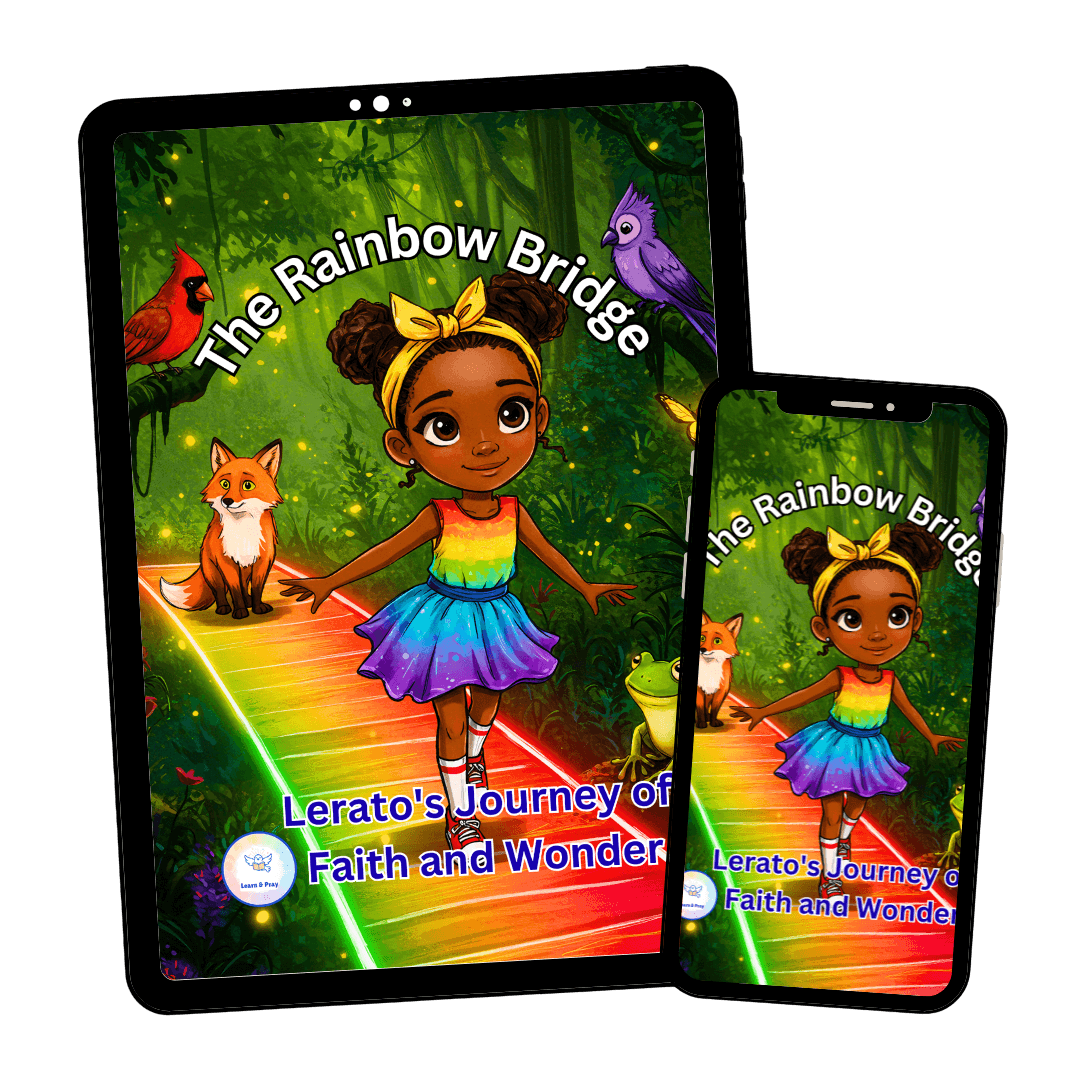
Click HERE to get your copy of The Rainbow Bridge: Lerato's Journey of Faith and Wonder and unlock an engaging, story-based resource that helps your child find their love, forgiveness, joy, purpose, and confidence. It’s the perfect way to make character development a captivating part of your Christian family’s daily life.
Bring the wonder of the Rainbow Bridge into your home!

🌿 Faithful & Warm
With love and light,
Francina 🌻
Your companion on the journey of faith-filled parenting.


JOIN MY MAILING LIST
My posts may contain affiliate links. If you buy something through those affiliate links, you will not pay a penny more. But I will get a commission which keeps Learn and Pray lights on. I appreciate your understanding!
Created with © systeme.io